.svg)

An Anthropic IPO as early as October could push SF's AI housing surge south into Silicon Valley. What owners and buyers should do before fall.
This past Sunday, Piper Sandler upgraded Essex Property Trust — one of the largest apartment REITs operating in our backyard — to overweight from neutral. CNBC ran the story Monday. The argument was simple: highly-paid tech professionals are pouring back into San Francisco, new supply is scarce, and the Bay Area landlord business is, in the analyst's words, in the middle of an "AI-fueled rapid rebound".
If you've watched San Francisco's market over the last twelve months, none of that is news. What might be news is how short of the actual story it falls.
The engine behind the engine
The single biggest force behind the current AI hiring wave is a small handful of companies, and at the front of the pack is Anthropic — the AI lab whose Claude assistant has quietly become the enterprise software industry's tool of choice. In February of this year, Anthropic closed a Series G funding round at a $380 billion post-money valuation. Three months later, the secondary markets where pre-IPO shares trade had re-priced the company at roughly $1.2 trillion — more than three times its February figure, and ahead of OpenAI on those venues for the first time.
Multiple reports now point to Anthropic filing for a public offering as early as October 2026, with Goldman Sachs and JPMorgan advising. It's worth being clear about the numbers: the secondary-market figure of $1.2 trillion is what speculators are paying for small stakes — not what the IPO will price at. The formal IPO target reportedly sits in the $400–500 billion range, which would still rank among the largest tech listings in history. Either way, what arrives at IPO is the same thing: a wave of sudden liquidity for thousands of employees, early investors, and Bay Area-headquartered ecosystem partners.
Why liquidity events move housing markets
People with newly liquid stock compensation don't keep it in a checking account. They buy homes. They move out of rentals into ownership. They upgrade. They diversify into investment property. They buy a second place near family. And when those people are concentrated in San Francisco — where most of Anthropic's headcount sits, alongside OpenAI, xAI, and a long tail of mid-stage AI companies — the ripple does not stay in San Francisco.
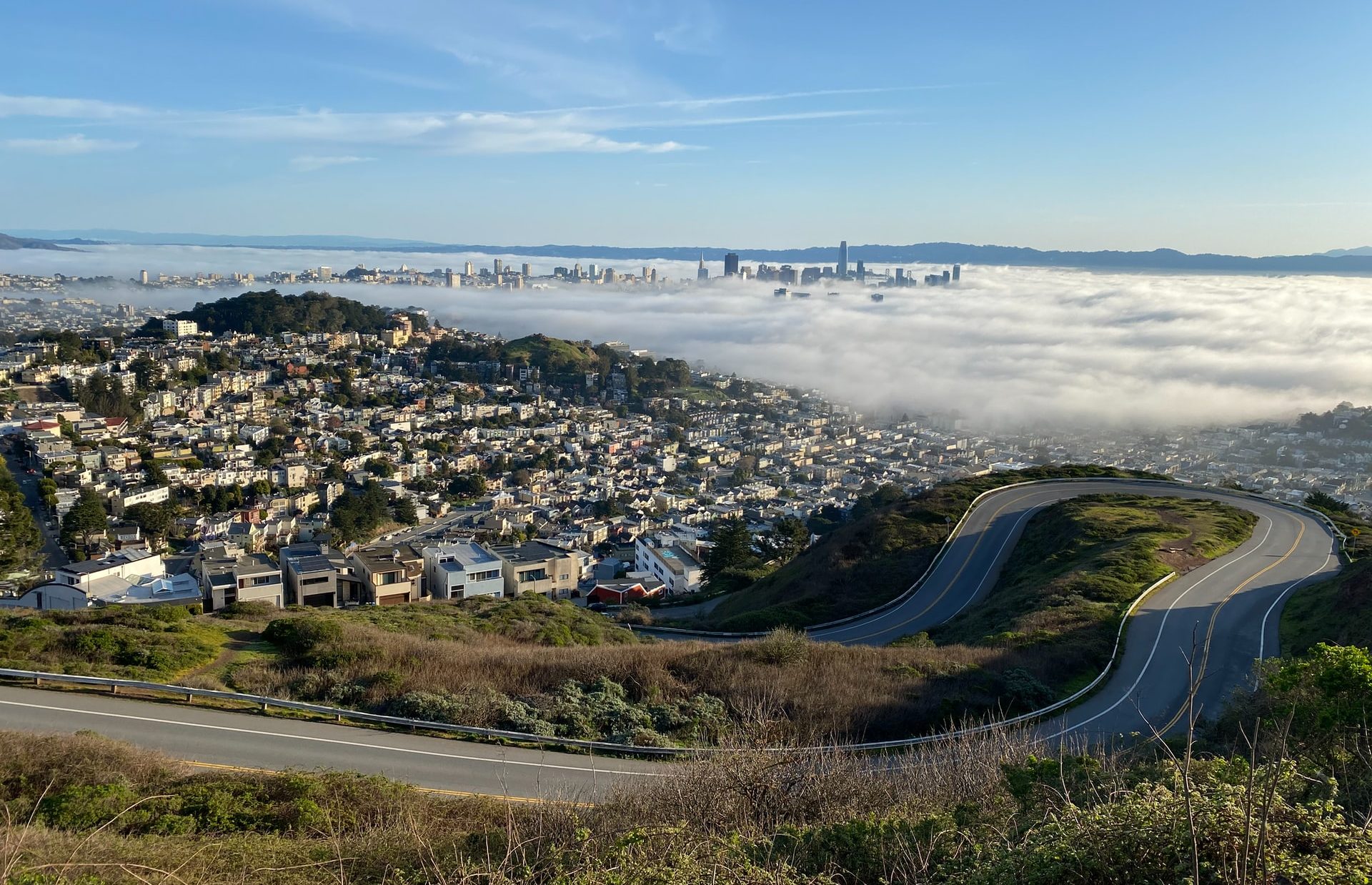
The numbers already in the public record are striking. Pending home sales in SF jumped 17% year-over-year in late 2025, the fastest growth among major U.S. metros. Sales of luxury homes in the city climbed 22.2% in March 2026 from a year earlier — the fifth consecutive month of double-digit gains. The median luxury home sold for $6.81 million in March, the highest figure ever recorded for the month, per Redfin's data. Meanwhile non-luxury home prices were essentially flat. The buyers driving the surge are concentrated at the top of the income distribution, and the top of the income distribution in the Bay Area is increasingly synonymous with AI compensation.
Why the Peninsula and South Bay should be paying attention
This is where the math gets interesting for those of us living south of the city. The historical pattern is consistent: when demand at the top of the SF market hardens, two things happen on roughly a six- to twelve-month lag.
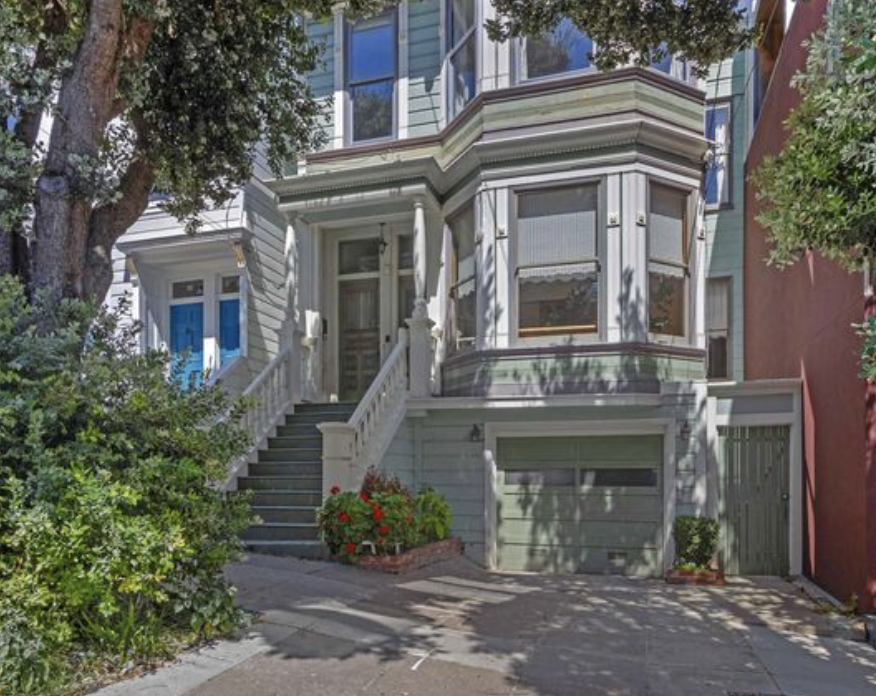
First, SF's inventory scarcity pushes priced-out buyers down the Peninsula and into the South Bay. People who would have bought a Pacific Heights condo settle for Burlingame, Palo Alto, Los Altos, or Saratoga — and bid against each other on the way down.
Second, owners cashing out of SF property at near-record values tend to redeploy into larger, family-friendly homes here. A $4M Noe Valley sale becomes a $4M Saratoga purchase plus a renovation budget. The capital doesn't leave the Bay; it moves south.
Both forces have already started to show up in local data. An October liquidity event of the size being discussed would compound them.
What this means if you're thinking about selling
If you've been waiting "for the market to come back" before listing, what you're actually waiting for may already be unfolding. The cleanest window for sellers, on this analysis, is the summer — listing into a market that's already hardening but ahead of the additional inventory that an IPO event will eventually bring. (A liquidity event creates buyers, but it also creates sellers, as long-tenured employees finally cash out of homes they were never planning to keep.)
The temptation will be to wait for fall to "see what happens." The risk is that you list into a market with both more inventory and a slightly cooler buyer pool that's already deployed.
What this means if you're thinking about buying
For buyers — particularly those targeting move-up homes between $2M and $5M in the South Bay — the cleanest window is right now. Mortgage rates have stabilized in the low-to-mid 6% range. Inventory remains tight but isn't yet at fall-2024 lows. And the inventory that is available hasn't yet been bid against newly-minted IPO buyers carrying stock-comp checks larger than most full down payments.
If you've been on the fence about a move you know you want to make, the calendar is more important than it's been in years.
A few honest caveats
Secondary market valuations are not IPO valuations. AI is not the only force in this market — interest rates, broader economic conditions, and SF's own policy choices all matter. Some prominent venture investors are publicly warning about a 2026 "weeding out" of weaker AI startups, and that risk is real. The October timing is reported but not confirmed, and IPO calendars slip routinely.
But the combined signal — Wall Street upgrading our local landlords, surging SF luxury sales, double-digit AI hiring growth, and a small group of private companies on the cusp of public listings at unprecedented valuations — is hard to ignore. It would be unusual for none of this to translate into the South Bay.
My read
If you own a home in the Bay Area, this is likely the most consequential six months for your property's value in a decade. If you're looking to buy here, the timing matters more than it has in years.
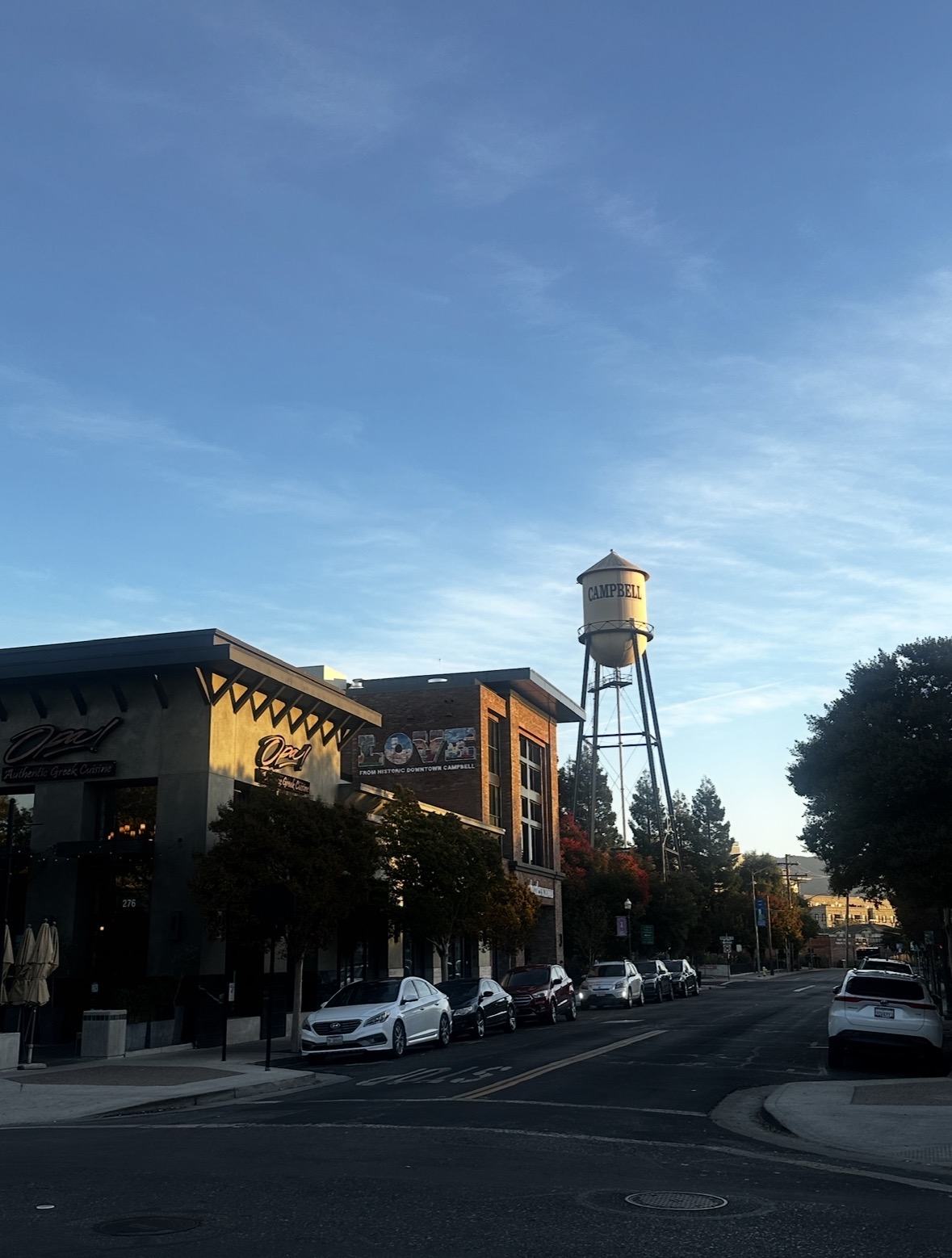
I'm tracking this carefully on behalf of my clients. Local markets — Campbell, Saratoga, Los Gatos, the mid-Peninsula — each have their own response curves to SF heat, and the differences are significant. If you'd like to talk through what this might mean for your specific situation, you know where to find me.
Tim McMullen is the founder of McMullen Properties, affiliated with Real Broker. DRE #02016832. He writes monthly for The Campbell Press and serves clients across Silicon Valley, the Peninsula, and San Francisco. Reach him tim@mcmullen.properties or via the contact form on this site.
.png)












.jpeg)
%20copy.jpg)